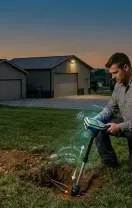

Discover how underground fault locating helps identify hidden electrical problems, reduces repair costs, minimizes excavation, and prevents unexpected power outages.
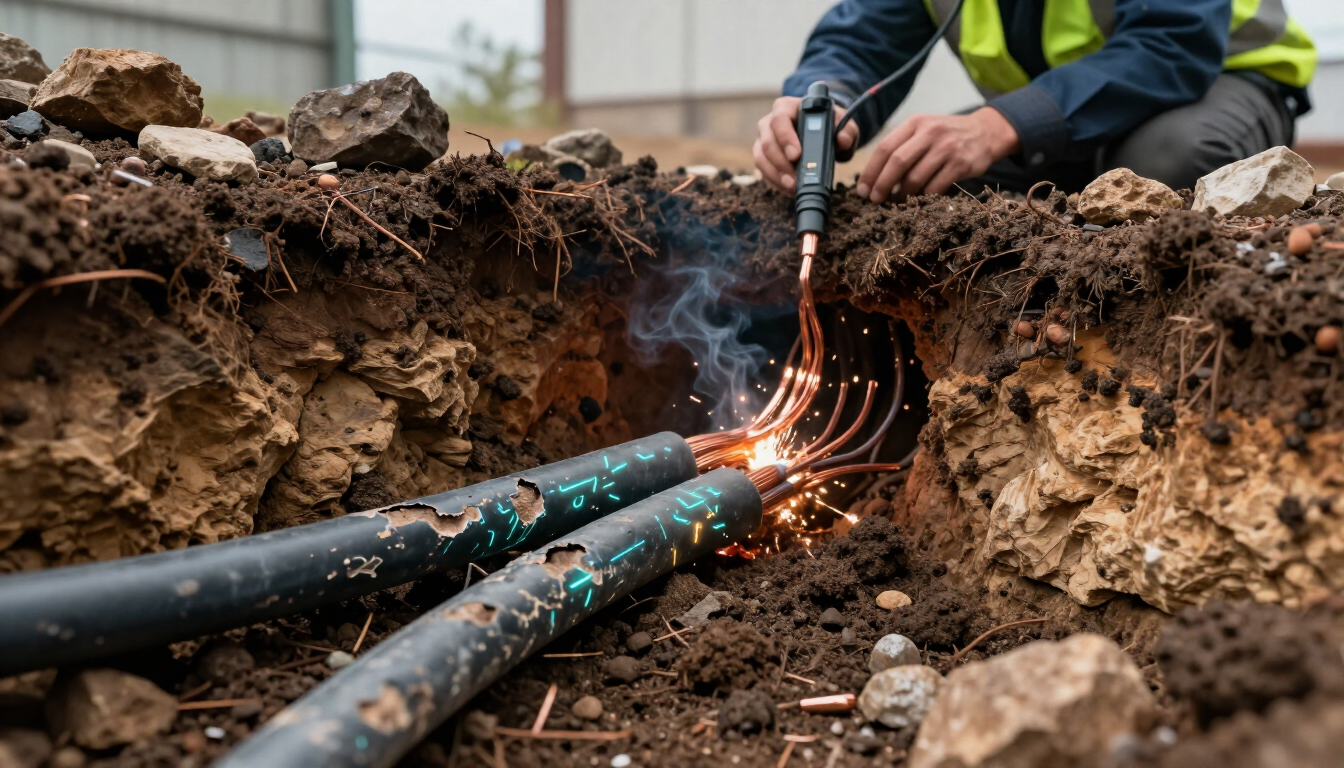
Underground electrical systems are built to provide dependable power while protecting electrical cables from many of the hazards that affect overhead lines. However, when a problem develops beneath the surface, locating the exact source of the issue can be challenging. Without the proper tools and expertise, repairing an underground electrical fault often becomes a process of trial and error, resulting in unnecessary digging, higher labor costs, and extended downtime.
This is where professional underground fault locating becomes invaluable. By using advanced diagnostic equipment, electricians can accurately identify the location of damaged underground cables before excavation begins. This targeted approach not only speeds up repairs but also helps property owners avoid unnecessary expenses and disruption.
Understanding Underground Fault Locating
Underground fault locating is the process of identifying the precise location of a damaged or malfunctioning underground electrical cable. Rather than excavating large areas in search of a fault, trained technicians use specialized equipment to trace underground electrical lines and pinpoint where the problem exists.
This technology allows repairs to be focused only on the damaged section of cable, reducing the amount of excavation required and preserving surrounding landscaping, pavement, and other property features.
Whether the electrical system serves a residential home, commercial building, industrial facility, or agricultural property, accurate fault locating is an essential first step in restoring safe and reliable power.
Minimizing Unnecessary Excavation
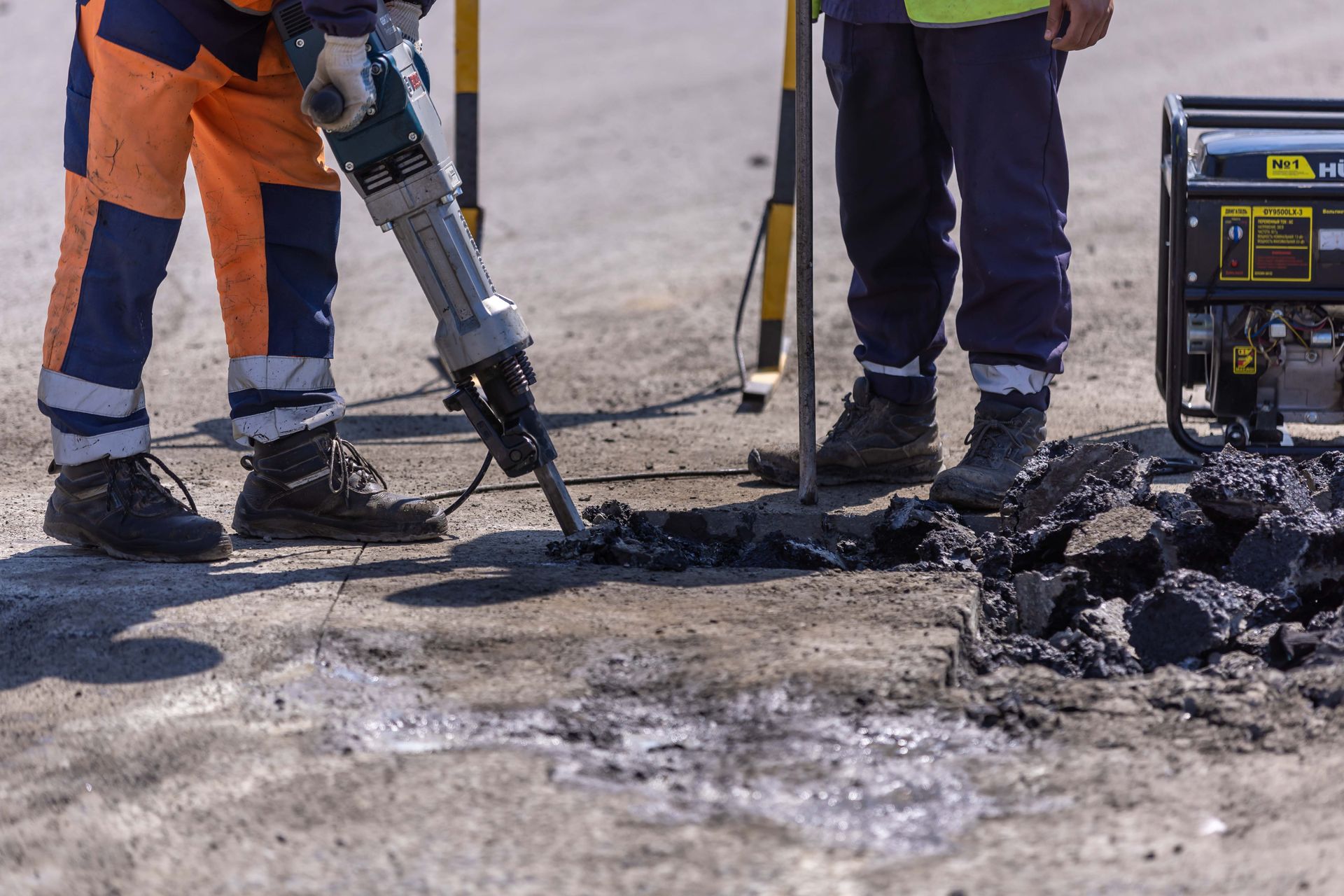
One of the biggest advantages of underground fault locating is its ability to reduce unnecessary digging. Without accurate diagnostics, technicians may need to excavate multiple locations before finding the damaged cable, increasing both labor time and restoration costs.
Advanced fault locating equipment identifies the problem with remarkable precision, allowing crews to expose only the affected area. This minimizes damage to lawns, gardens, driveways, sidewalks, parking lots, and landscaping, while making the repair process faster and more efficient.
For property owners, less excavation means lower restoration costs once the electrical repair is complete.
Reducing Labor and Repair Costs
Electrical repairs become more expensive when technicians spend additional hours searching for the source of a problem. The longer it takes to locate a fault, the more labor costs can increase.
Professional underground fault locating streamlines the repair process by providing accurate information before excavation begins. Crews can arrive with a clear understanding of where the fault is located, allowing repairs to proceed quickly and efficiently.
This targeted approach helps reduce labor expenses while preventing unnecessary replacement of electrical components that may still be in good condition.
Preventing Damage to Healthy Electrical Cables
Guesswork during excavation doesn't just increase costs—it can also create new problems. Digging without knowing the exact location of underground electrical infrastructure increases the risk of damaging healthy cables, utility lines, conduits, or nearby services.
Accurate underground fault locating helps technicians work with confidence, reducing the likelihood of accidental damage and avoiding additional repairs that could have been prevented.
Protecting existing underground infrastructure is especially important for commercial and industrial properties where multiple utilities often share the same underground space.
Identifying Problems Before They Become Major Failures
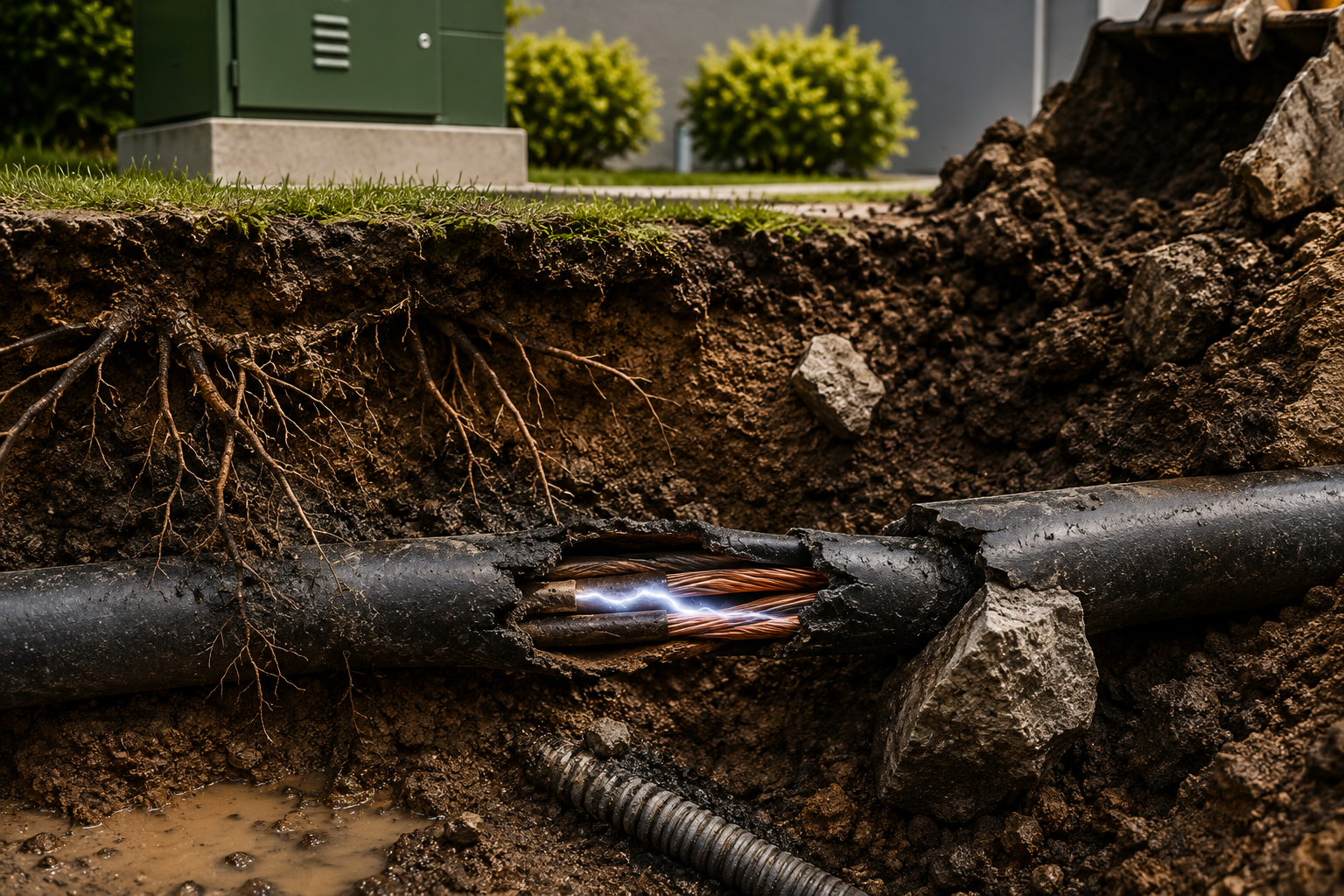
Many underground electrical faults begin as relatively small issues. A minor crack in cable insulation, moisture intrusion, or a partially damaged conductor may initially cause only intermittent electrical problems. If ignored, these conditions often worsen over time until the cable fails completely.
Fault locating allows electricians to investigate recurring electrical issues early, helping identify developing problems before they result in complete power loss or emergency repairs.
Addressing faults during the early stages is often significantly less expensive than replacing an entire underground electrical system after extensive damage has occurred.
Reducing Downtime for Homes and Businesses
Power interruptions can disrupt daily life for homeowners and lead to lost productivity for businesses. Commercial facilities, manufacturing operations, farms, and office buildings often depend on continuous electrical service to keep equipment operating safely and efficiently.
Because underground fault locating allows repairs to be completed more quickly, it helps reduce the amount of time electrical systems remain out of service. Faster diagnosis leads to faster repairs, minimizing inconvenience for homeowners and reducing costly downtime for businesses.
Improving Long-Term Electrical System Reliability
Locating and repairing underground electrical faults correctly the first time helps improve the long-term reliability of the entire electrical system. Rather than applying temporary fixes or replacing components based on assumptions, electricians can address the actual source of the problem.
This improves system performance, reduces the likelihood of recurring electrical issues, and extends the service life of underground electrical infrastructure.
Routine inspections combined with professional fault locating also allow aging electrical systems to be evaluated before serious failures occur.
The Technology Behind Underground Fault Locating
Modern underground fault locating relies on advanced diagnostic equipment that is designed to identify hidden electrical problems with exceptional accuracy.
Depending on the type of electrical system and the nature of the fault, technicians may use cable tracing equipment, underground cable locators, ground fault detection systems, signal generators, receivers, or Time Domain Reflectometers (TDR). These tools help locate damaged cables without unnecessary excavation, allowing repairs to be completed more efficiently.
The combination of skilled technicians and advanced technology makes today's underground fault locating services far more accurate than traditional trial-and-error methods.
When Should You Consider Underground Fault Locating?
Recurring electrical issues are often the first indication that professional fault locating may be necessary. If your property experiences repeated breaker trips, unexplained power outages, flickering outdoor lighting, intermittent electrical service, or problems that appear after heavy rainfall, an underground cable fault may be the underlying cause.
Prompt investigation helps prevent further damage while restoring the safety and reliability of your electrical system.
Conclusion
Underground electrical faults can be difficult to diagnose without the proper equipment, but delaying repairs often leads to greater expenses and more extensive damage. Professional underground fault locating provides an efficient and accurate way to identify hidden electrical problems while minimizing excavation, reducing labor costs, and protecting your property.
By locating faults before they develop into major failures, property owners can avoid unnecessary repairs, reduce downtime, and extend the lifespan of their underground electrical systems. Investing in professional fault locating is not only a smart maintenance decision—it can also save significant time and money over the life of your electrical infrastructure.
Schedule Professional Underground Fault Locating Services
If you're experiencing recurring electrical problems or suspect an issue with your underground wiring, professional fault locating can help you find the problem quickly and accurately. Our experienced team uses advanced diagnostic equipment to pinpoint underground electrical faults with minimal disruption, allowing repairs to be completed efficiently and cost-effectively. Contact us today to schedule an inspection and protect your electrical system from more extensive and expensive repairs.