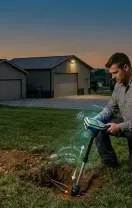

Learn about the most common causes of underground electrical faults, how they develop, and what property owners can do to prevent costly electrical repairs and unexpected power outages.
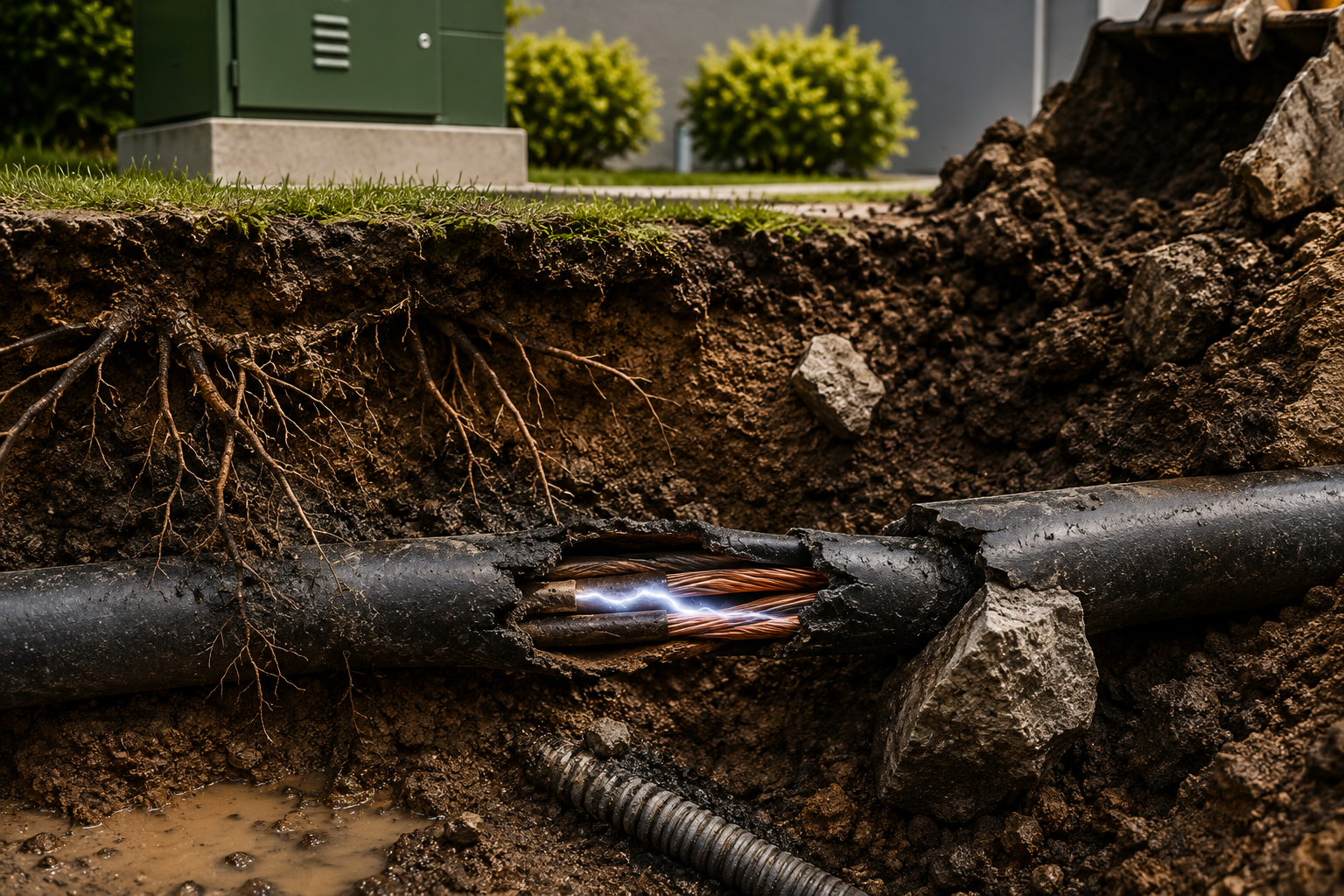
Underground electrical systems are built to withstand the elements, but they aren't immune to failure. Whether it's a residential service, commercial installation, or underground feeder, electrical faults can happen for a variety of reasons. Understanding the most common causes can help property owners recognize warning signs early and avoid unexpected outages or costly repairs.
Here are five of the most common causes of underground electrical faults.
1. Aging or Deteriorated Cable Insulation
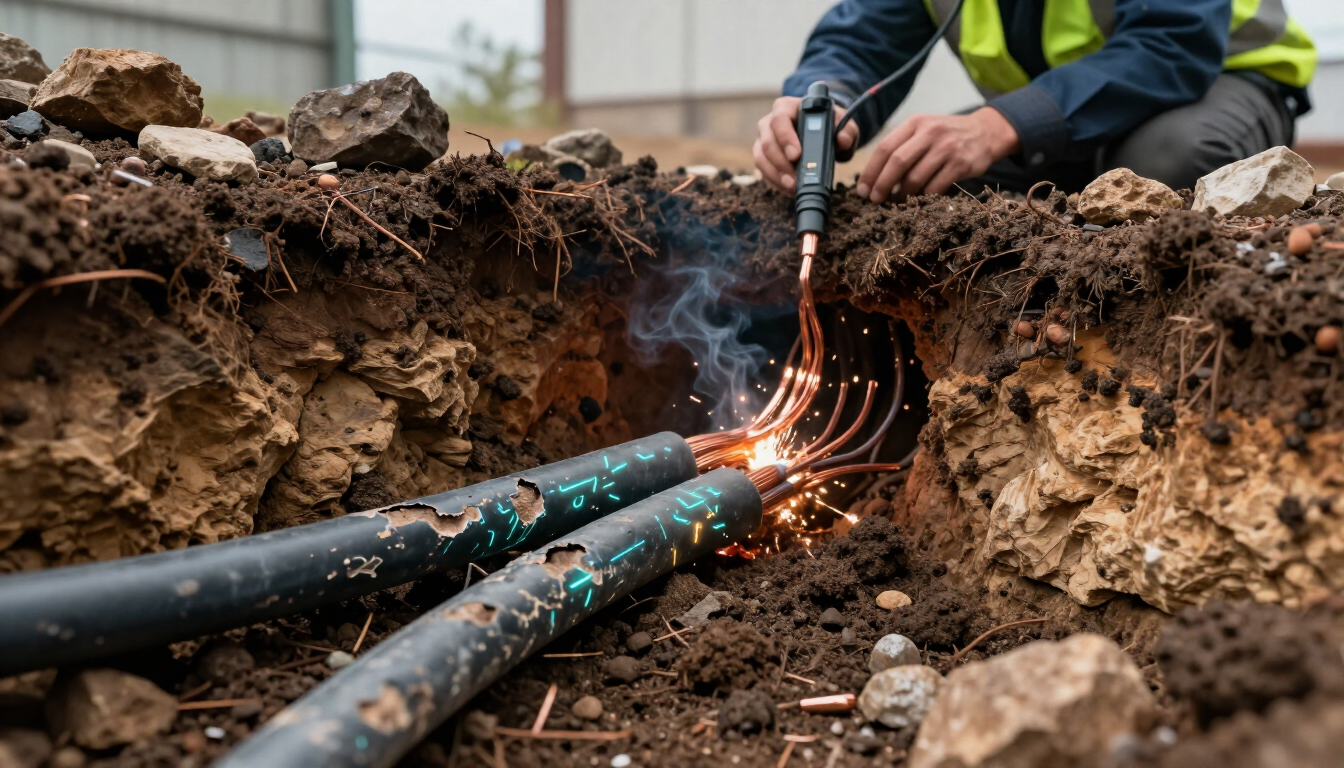
Over time, underground cable insulation naturally breaks down due to age, moisture, temperature changes, and normal wear. As the insulation deteriorates, it becomes more susceptible to cracks, allowing electricity to escape and create faults.
Warning signs may include:
- Flickering lights
- Intermittent power loss
- Breakers tripping without an obvious cause
- Complete loss of power
Regular inspections and testing can often identify deteriorating cables before they fail completely.
2. Moisture Intrusion
Water is one of the biggest enemies of underground electrical systems. Damaged conduit, failed splices, or compromised cable jackets can allow groundwater to enter the system.
Once moisture reaches the conductors, it can cause:
- Short circuits
- Corrosion
- Ground faults
- Premature cable failure
Even systems installed underground in conduit are not completely waterproof if fittings or seals become compromised.
3. Damage from Digging or Excavation
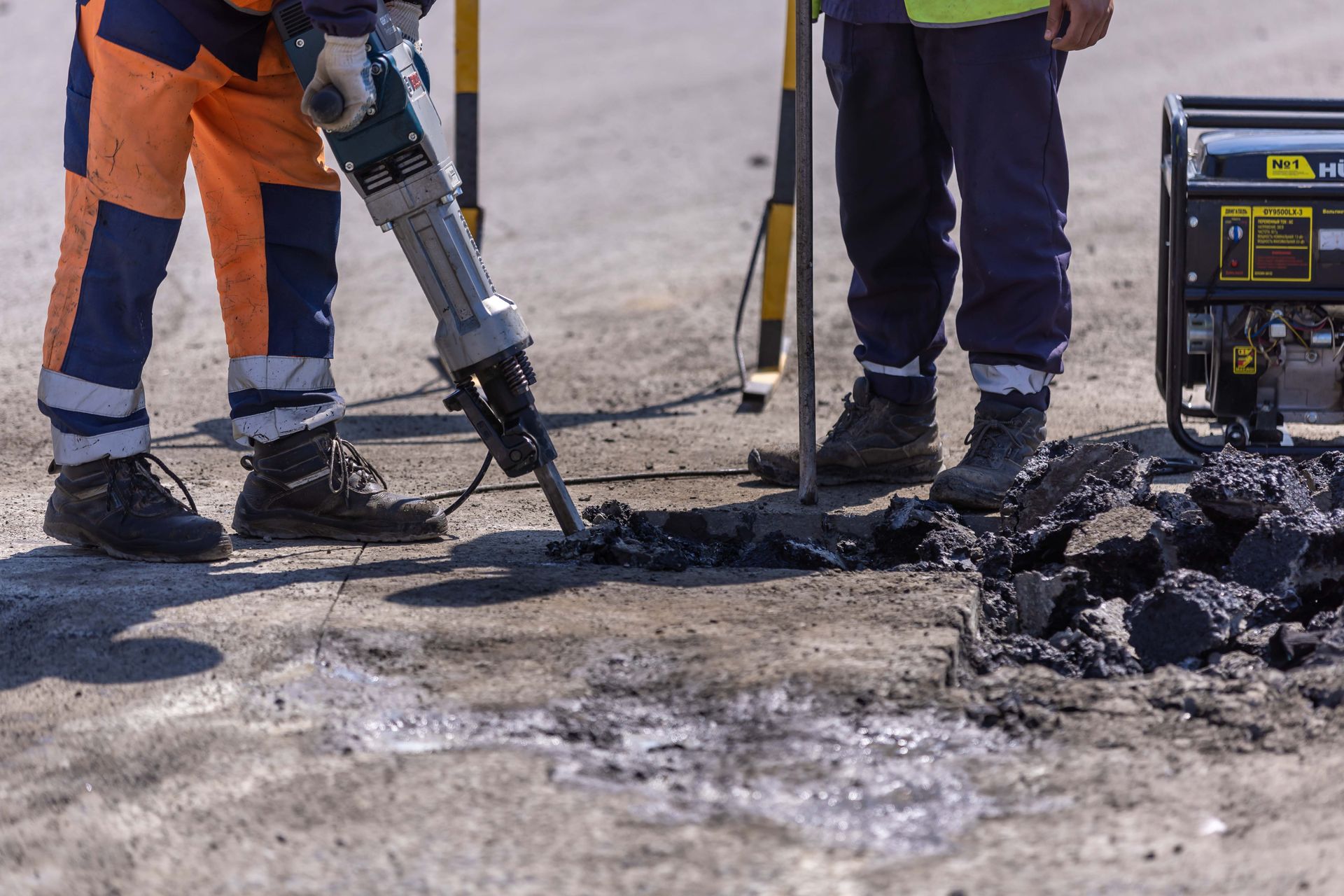
One of the leading causes of underground electrical failures is accidental damage during excavation. Fence installations, landscaping, utility work, and even planting trees can result in cables being cut or nicked.
Unfortunately, some damage isn't immediately noticeable. A small cut in the insulation may allow moisture to enter, eventually leading to a fault weeks or months later.
Always contact your local utility locating service before digging to help prevent accidental damage.
4. Poor Installation Practices
The quality of the original installation plays a major role in the long-term reliability of an underground electrical system.
Common installation issues include:
- Improper cable splices
- Incorrect burial depth
- Insufficient conduit protection
- Sharp bends that damage cable insulation
- Improper backfilling with rocks or debris
These issues may not cause immediate problems but often shorten the life of the electrical system.
Hiring a qualified electrical contractor helps ensure the installation meets current code requirements and is built to last.
5. Tree Roots and Ground Movement
Nature can also take a toll on underground electrical systems. Expanding tree roots, settling soil, erosion, and freeze-thaw cycles can place stress on underground conduits and cables.
Over time, this movement can:
- Crack conduit
- Pull apart splices
- Damage cable insulation
- Cause intermittent electrical faults
While these problems develop slowly, they often become more difficult and expensive to repair if left unaddressed.
Don't Ignore the Warning Signs
If you're experiencing recurring breaker trips, unexplained power outages, or suspect an underground electrical issue, it's important to have the system professionally diagnosed. Specialized testing equipment can often pinpoint the location of an underground fault without unnecessary digging, saving both time and money.
At Elite Electrical Solutions, we diagnose and repair underground electrical faults for residential and commercial customers. Whether it's locating a damaged underground feeder, replacing aging cable, or installing a new underground service, we're committed to providing safe, reliable, and code-compliant electrical solutions.
If you're experiencing electrical issues or simply want peace of mind, contact Elite Electrical Solutions today. A small problem caught early can often prevent a much larger repair down the road.